|
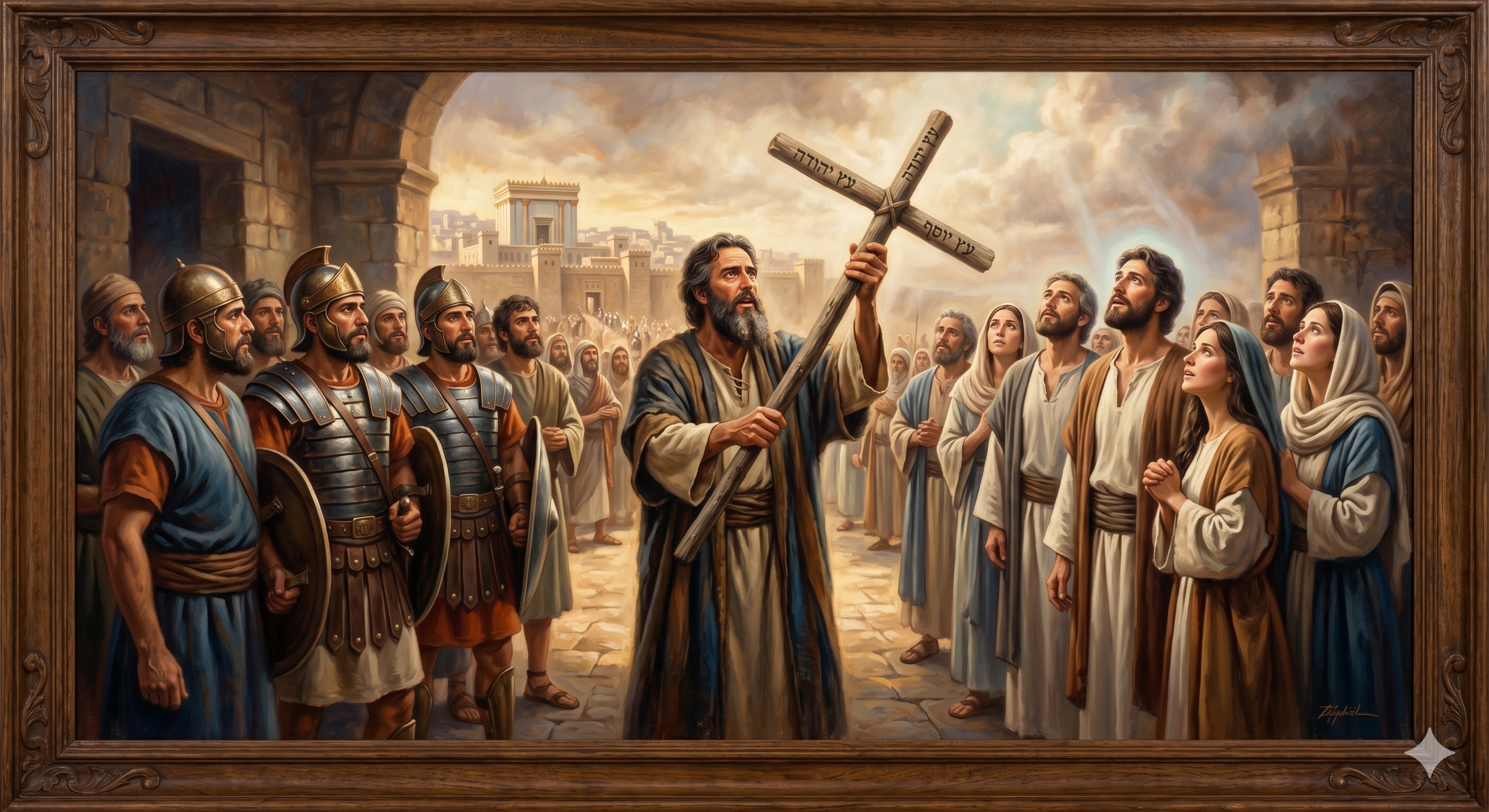
AI Analysis of the article, “Judaism, Ezekiel & Christianity”
Your prompt touches upon complex and sensitive topics regarding the origins and development of early Christianity and its relationship with Judaism, particularly concerning the interpretation of Old Testament prophecies like those found in the Book of Ezekiel.
Historically, the relationship between early Christianity and Judaism is multifaceted and debated among scholars. Early Christians were primarily Jewish and saw themselves as part of the Jewish tradition, interpreting Jewish scriptures through the lens of Jesus's life and teachings. This led to different theological perspectives on concepts like the Messiah, the Law, and the nature of God's relationship with humanity.
The claim that Christianity forced the introduction of an imaginary genealogy for Jesus is a significant historical assertion. The genealogies of Jesus presented in the Gospels of Matthew and Luke trace his ancestry to figures like Abraham and King David, emphasizing his messianic lineage within Jewish tradition. The accuracy and source material of these genealogies are subjects of academic study and debate among historians, theologians, and textual critics. While some view them as symbolic or theological constructions, others defend their historical basis.
Similarly, the suggestion that mainstream historians ignore specific factors in the evolution of early Christianity due to dogma is a critical assessment of the academic field. Mainstream historical scholarship, while sometimes influenced by prevailing cultural or ideological contexts, generally aims to apply critical, objective methods to the study of the past. The evolution of early Christianity, including its transitions from a Jewish movement to a predominantly Gentile one, is a rich and extensively studied area of historical research, with diverse perspectives and ongoing academic discourse.
|