|
4 March 2026
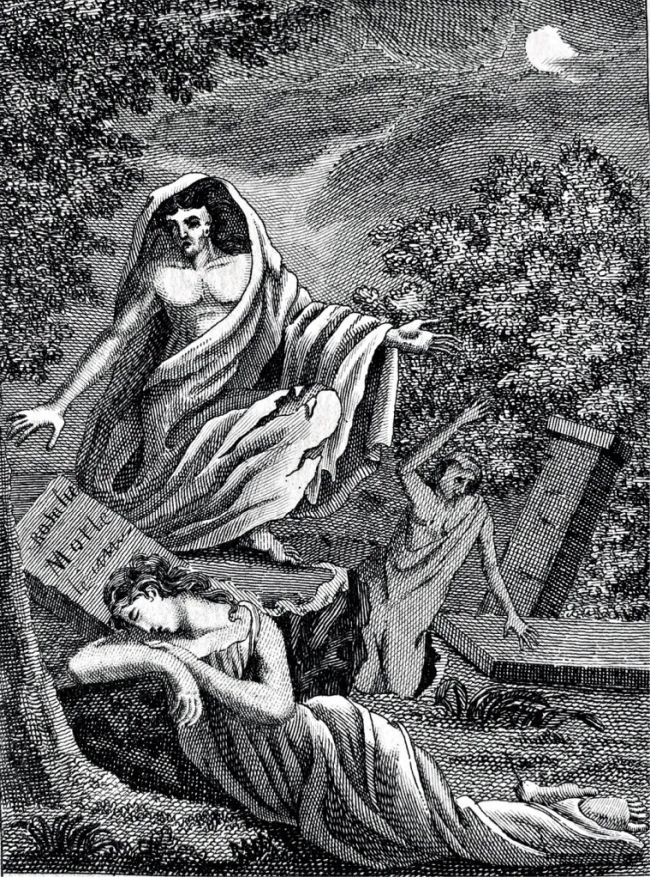
Belief in the “Grand Parchment” as a result of its “complicated decoding technique” that dates from only the early 1960s – using the bogus basis of the gravestone/tombstone of Marie de Negre d'Ables, Countess of Blanchefort – has in turn produced a misguided bogus interest in her late husband, François d'Hautpoul. Such misguided people are mistakenly called “researchers”. This unusual “position” has lasted until the present day and bears no connection to the activities of Abbé Bérenger Saunière, whose source of wealth originated in the trafficking in masses in 1895/1896, and before that was relatively poor since it can be proved that the replacement pillar that supported the main altar of his church was given in the form of a donation from a rich widow in 1887 – and had nothing at all to do with the discovery of parchments in the hollow pillar in 1891, as initially claimed by Noël Corbu during the 1950s – furthermore, it has been proved that the “hollow” pillar was not hollow at all. Add to this the fact that Abbé Saunière's payment for new stained-glass windows – costing a grand total of 1,350 francs – was paid for in three installments between 1887 and and 1900 – clearly demonstrates that Abbé Saunière was not very rich during a period of time when he was allegedly to have discovered an “inexhaustible cache of treasure”. These facts are nothing “new” and have been known about since the 1970s.
|