NOTICE
RENNES-LE-CHATEAU has its origins in the garrison
town of Rhedae, which was home to approximately 30,000
people and which was founded in the 5th century by the
Visigoths on the plateau extending south-eastwards which
lies at the foot of the present-day village. It was the
capital of the huge territory known as Rhedez, which was
destroyed in 1170 by the army of the King of Aragon.
In the 14th century it was refortified by Pierre II des
Voisins, the Sénéchal of Carcassonne. The town became
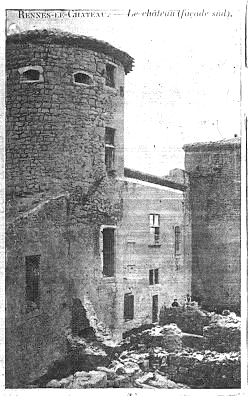
prosperous once more, but then the Spaniards seized it
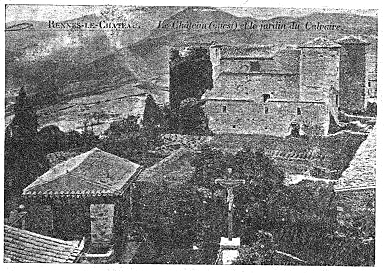
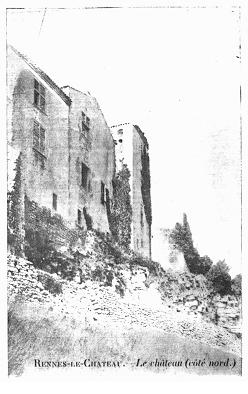
again and left standing only the ancient church dedicated
to Mary Magdalene, the old manor-house and a few other
houses.
And so the once fine town of Rhedae ended up by
becoming, in 1362, the humble village of
Rennes-le-Château.
After these disasters occurred, this unassuming
village was, it seems, largely forgotten by the outside
world.
Even so, some years ago, in the environs of the old
manor-house, which was still standing, there began
something of a regeneration of the bustling activity of
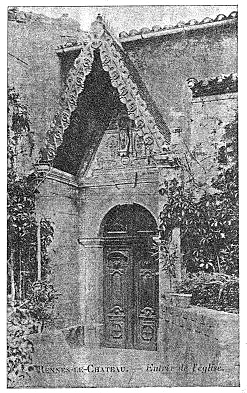
yesteryear: the Church, which had gone to rack and ruin,
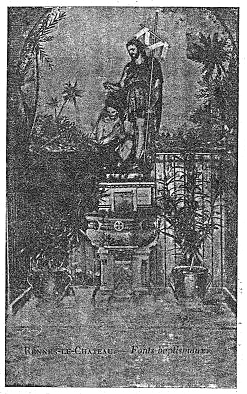
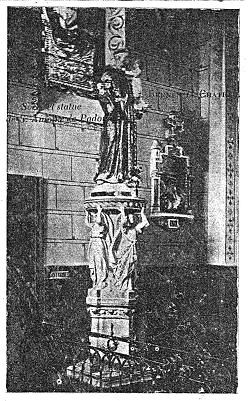
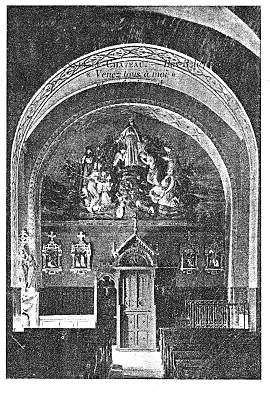
was completely restored and magnificently decorated.
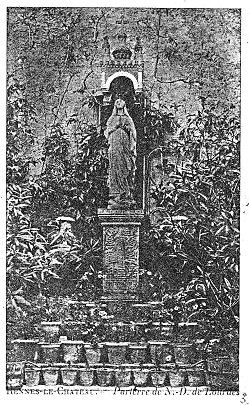
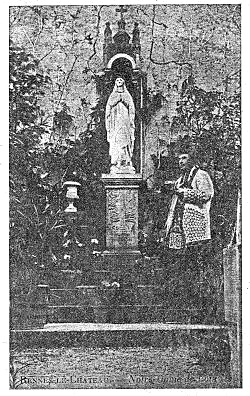
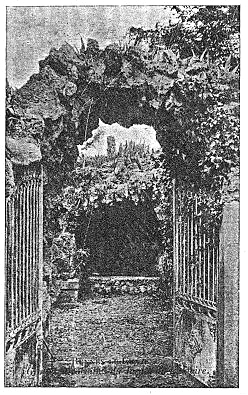
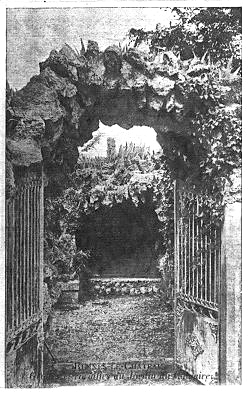
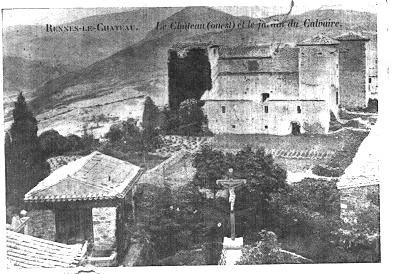
The approaches to this sanctuary, which were formerly
full of rubbish, have been decorated with a beautiful
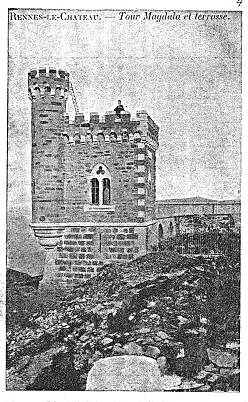
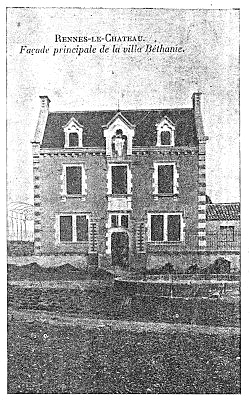
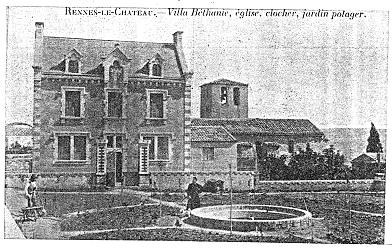
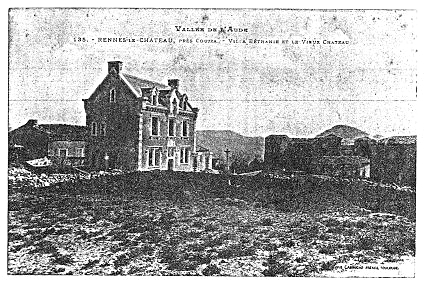
Calvary, half-hidden by shrubs and flowers The Villa
Béthanie, a superb house built in a delightfully pure
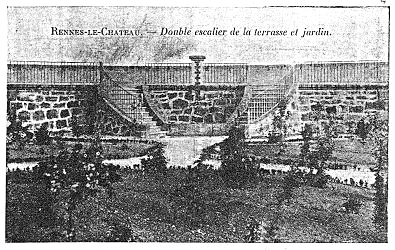
style, with a huge garden in front of it, surmounted by a
beautiful statue of Our Saviour with his arms
outstretched, has just been completed. A broad
winding-path, constructed on the mountain-top, has
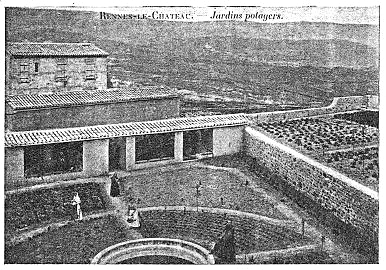
replaced the ancient ramparts. An elegant Veranda has
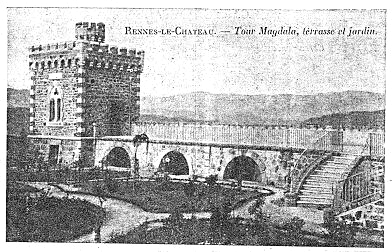
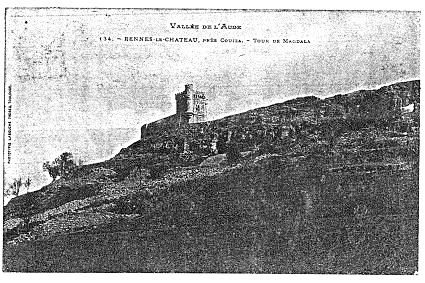
taken the place of the old watch-tower. And at the other
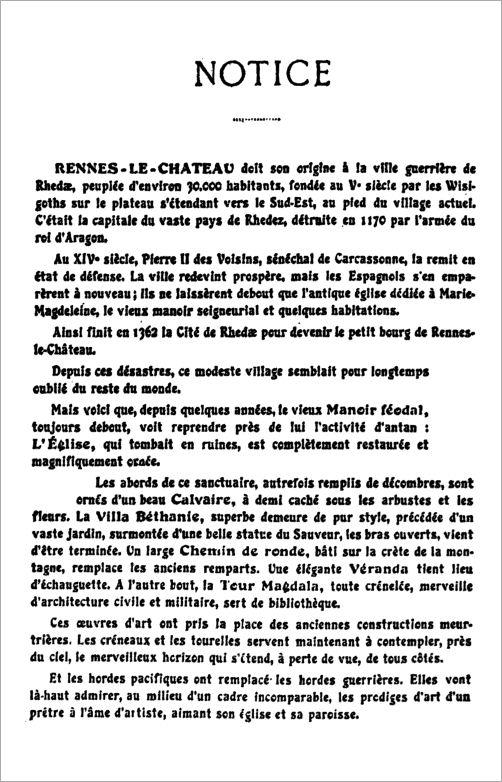
end the Tour Magdala, completely crenelated, a marvel of
civilian and military architecture, now serves as a
library.
These works of art have taken the place of the old
warlike structures. The battlements and turrets now
provide a raised platform for contemplating the wonderful
horizon that stretches out on all sides as far as the eye
can see.
Nowadays, crowds of peace-loving people have replaced
the crowds of warriors. They go up there to admire,
surrounded by incomparable scenery, the fabulous works of
art of a priest with the soul of an artist, a priest who
loved his church and his parish.
|